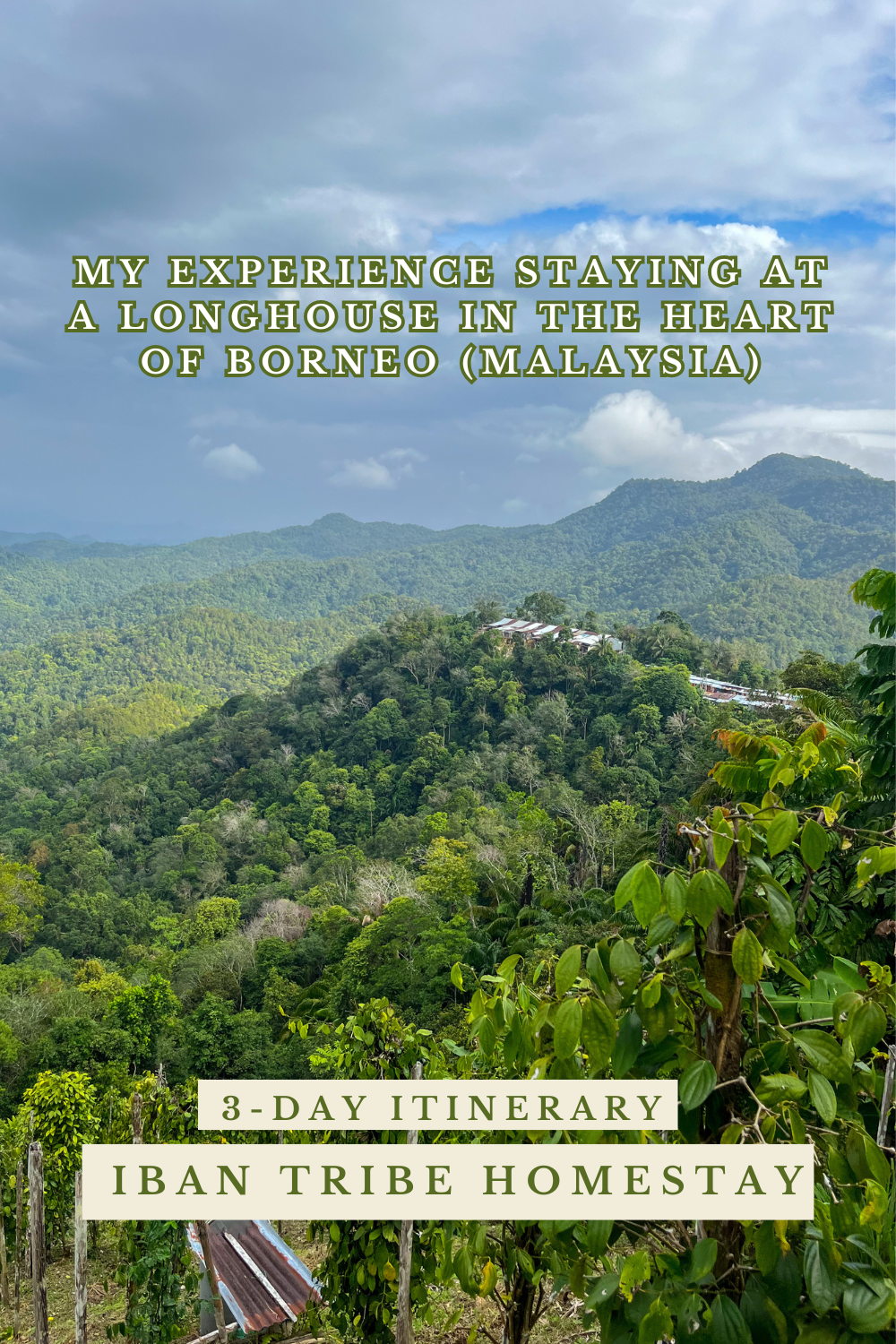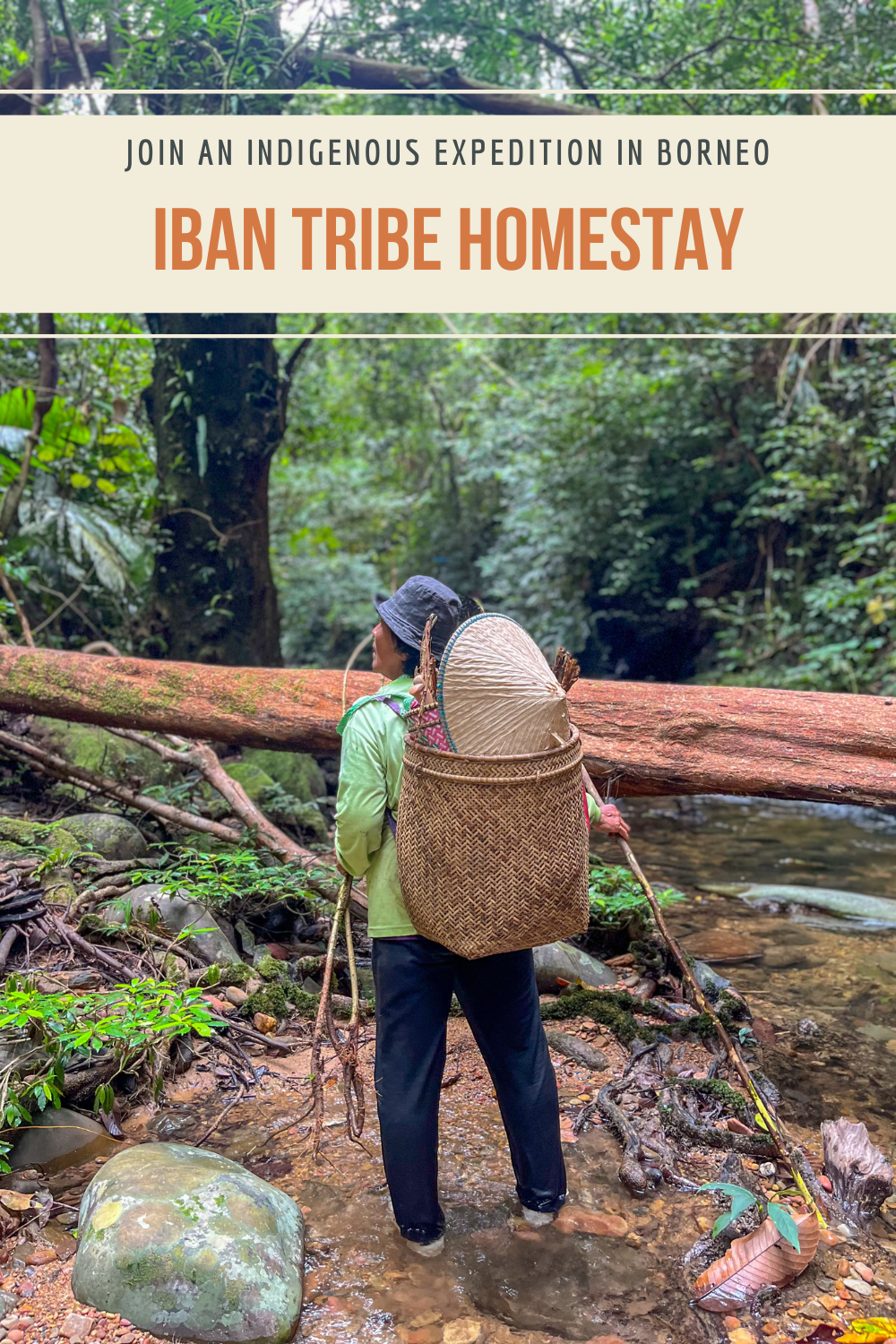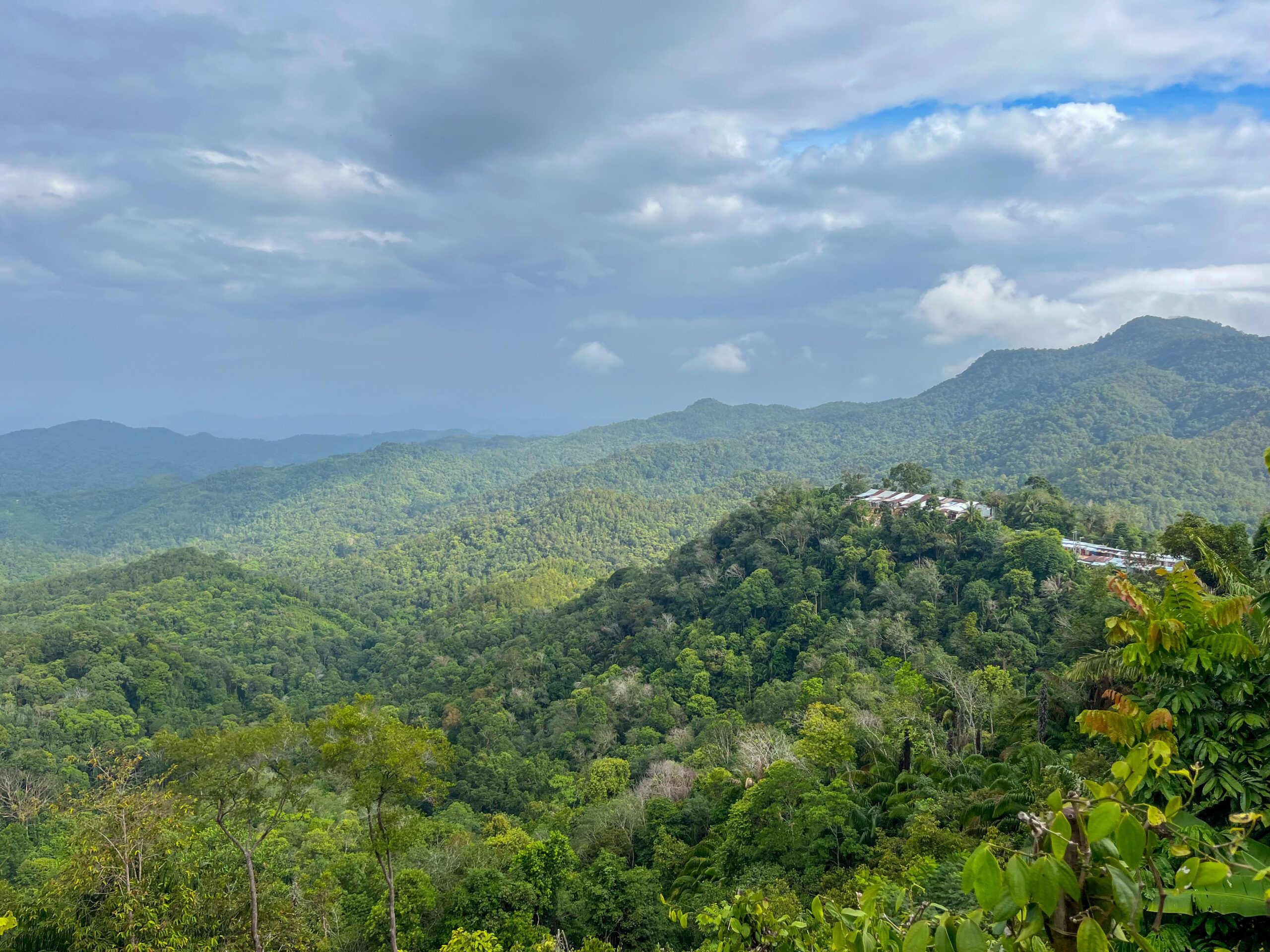
Longhouse Sarawak Homestay – A Borneo expedition to meet the Iban Tribe
Explore the rich culture and traditions of the Iban tribe through an authentic longhouse homestay in the heart of Borneo. This guide provides insights on who the Iban people are, how to find and book a genuine longhouse experience, and tips for your stay.
Who are the Iban People?
The Iban, often referred to as the Sea Dayaks, are an indigenous group from Borneo known for their captivating history. Though their exact origins remain unclear, oral histories suggest they migrated from the island’s interior to coastal regions centuries ago, driven by factors like population growth, resource shortages, and conflicts with other tribes.
In their early society, the Iban lived in longhouses—large communal structures that housed extended families and fostered a sense of community. They were adept hunters and farmers, practicing slash-and-burn agriculture and utilizing the rainforest’s resources.
The Iban were famous for their headhunting rituals that were associated with bravery, masculinity, and supernatural power, with collected skulls often kept as trophies and used in various rituals. This practice saw a significant decline in the 20th century, due to the British colonial influence and the spread of Christianity.
Nowadays, the Iban remain a vibrant and diverse indigenous tribe with a rich cultural heritage, actively preserving their unique identity while navigating the challenges of modernization.
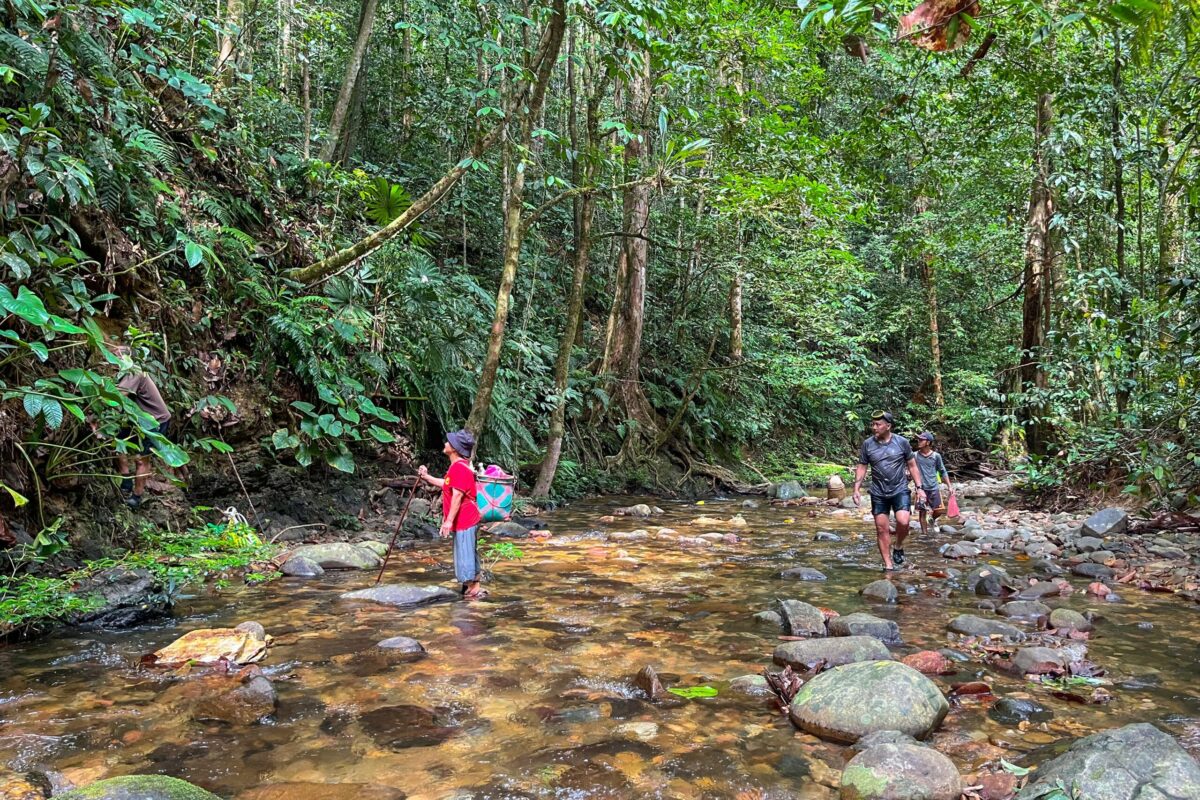
Fishing with the Iban Tribe in Borneo
How to find an authentic Iban Longhouse Homestay
Finding the right Iban longhouse homestay can be tricky, some longhouse stays can be overly commercialized resulting in tourist traps at times.
Accessibility can be a good indicator of authenticity. The more remote the longhouse, the more genuine the experience.
How to book a stay at a Longhouse in Sarawak
For an authentic experience, I recommend you to book your Iban Longhouse Homestay with this eco-friendly community-focused company.
You can also consider visiting the Sarawak Tourism Board’s Website for connections to more remote, less commercialized longhouses. However, bear in mind that this alternative might take a little longer to respond, and getting the tribe’s Chief approval will also take time, so if you’re traveling to Sarawak soon, keep reading to see how my experience with Where Side Walks End was.
My experience at the Iban Longhouse – Meeting the Iban Tribe
As Anthony Bourdain once described, staying in an Iban longhouse is an immersive and unforgettable experience. The warmth and hospitality of the Iban people, their rich traditions, and the unique communal living style make it a journey worth taking.
Iban Longhouse Homestay
When booking an Iban Longhouse Homestay, your presence will be approved by the tribe’s Chief, and you will be welcomed by the community into their Longhouse. Over the following days, you’ll participate in various activities that showcase Iban culture, including communal meals, fishing (and/or hunting), craft demonstrations, and more. The experience provides a deep dive into the daily lives and traditions of the Iban people.
Keep reading to learn about my personal experience staying with one of the most remote and mysterious tribes in the island of Borneo.
3 Days / 2 Nights Iban Tribe Expedition in Borneo
For 3 days and 2 nights, my friend Maxime and I shared our time with one of Borneo’s indigenous tribes. No stories ever told can compare with what you get to experience on an expedition like this.
Before I dive into the details of my Iban Longhouse Homestay, just know that you can choose the length of your stay. I went for 3D/2N because I had other trips lined up after my visit to Borneo, but I would have gladly extended my stay as I had the best time hanging out with the lovely Iban people. For more information and to check what’s included in this experience, you can also visit this website.
Getting to the Longhouse
We booked the experience ahead of time to get the Chief’s approval. After receiving confirmation, Chris (our guide and local interpreter) picked us up at our hotel in Kuching. We drove 3 hours out of the city, stopped for a quick lunch, and drove 40 minutes more on a 4-wheeler through less traveled roads towards the last accessible point by car. Then we hiked for almost 4 hours until we arrived at the Longhouse where the Iban tribe lives.
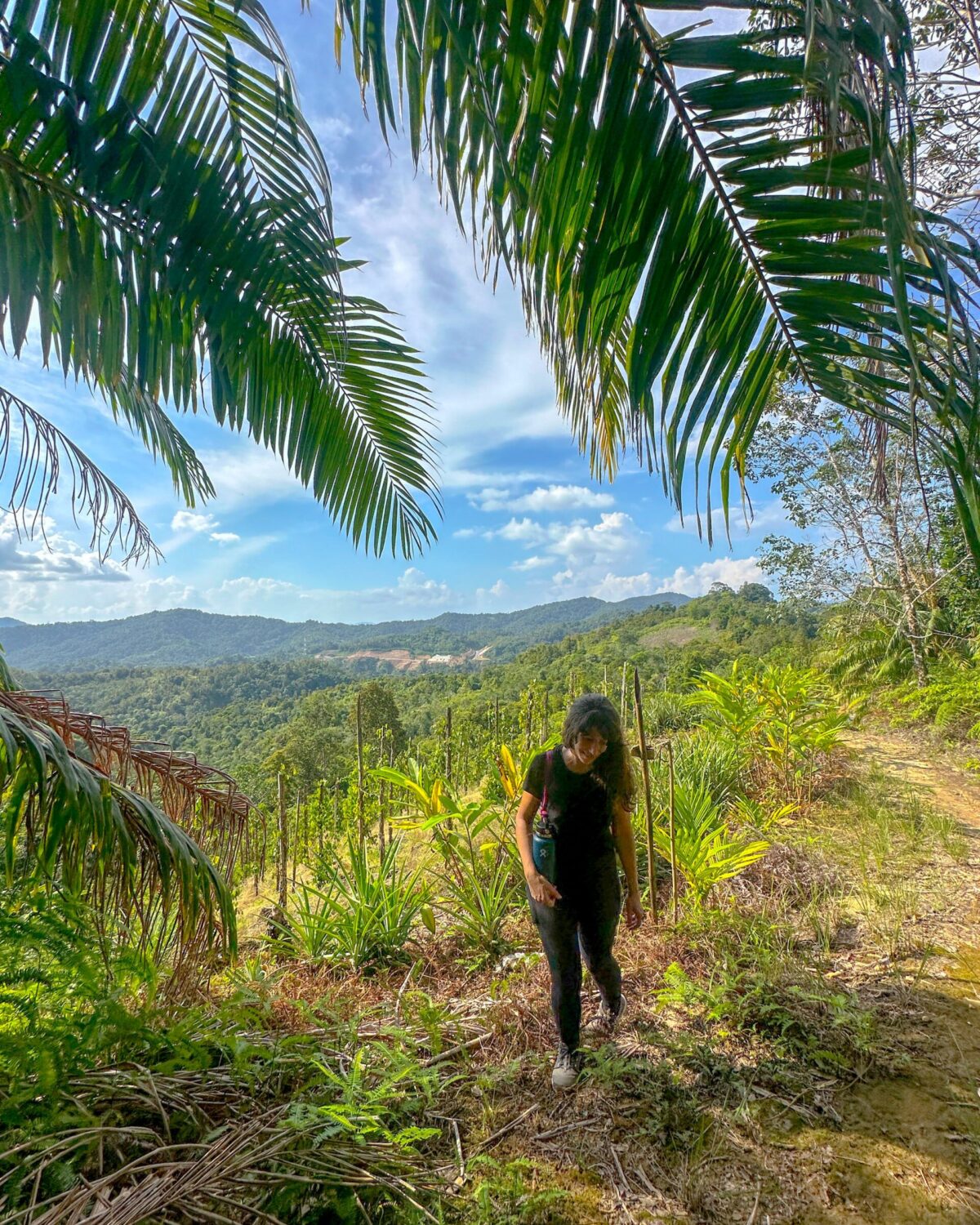
Hiking our way to meet the Iban Tribe
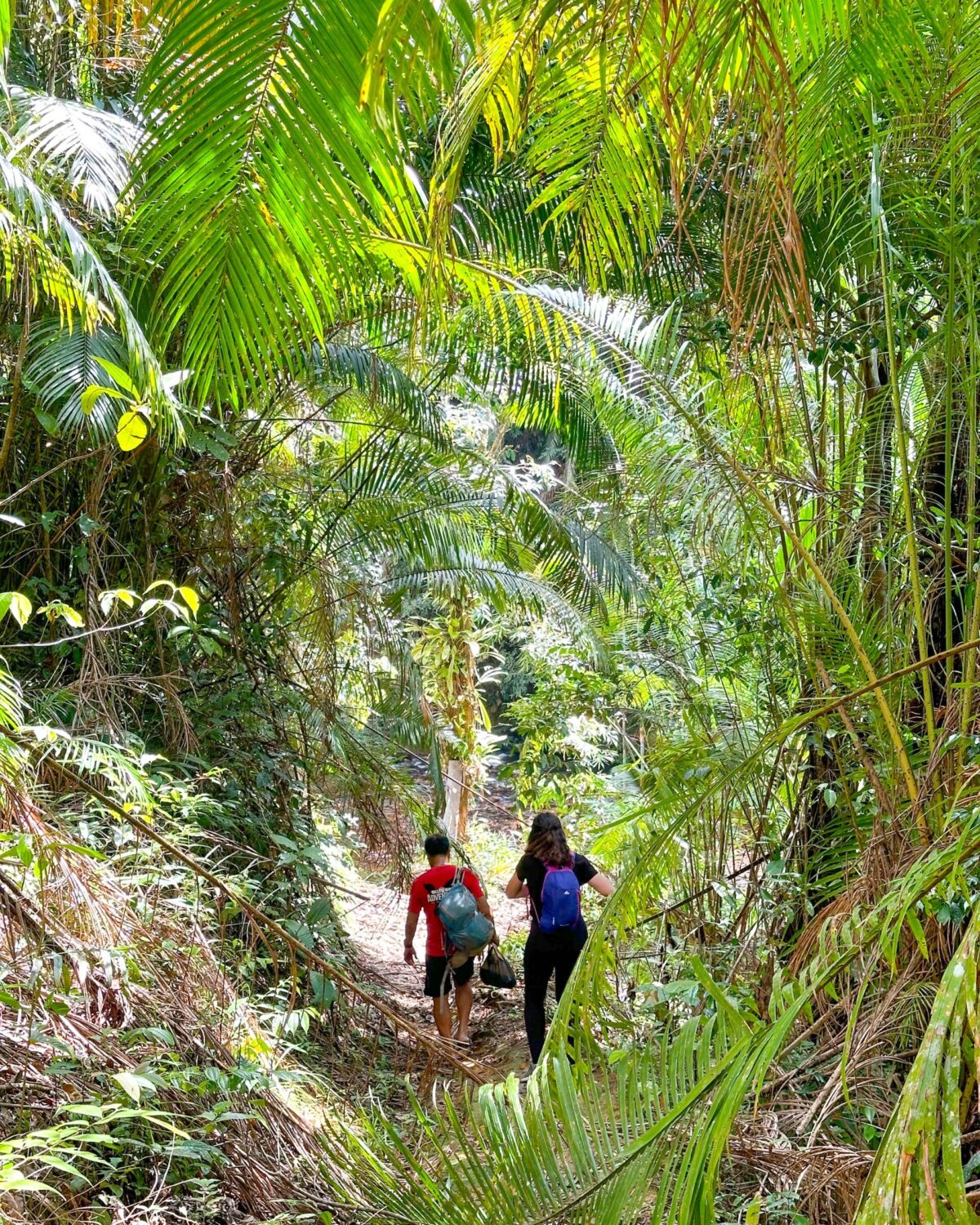
Walking with Chris, our guide and Iban Tribe interpreter
Meeting the first members of the tribe & Settling in
My friend and I were the only outsiders staying with the tribe. We were welcomed with a lot of enthusiasm and all the kids (and dogs) in the little village came to say hi at our arrival. Our guide showed us around and introduced us to the family who kindly hosted us during our stay.

Meeting the Iban kids in Sarawak

Our bed in the Longhouse
Welcome Meal & Hanging out with the tribe at the Longhouse Corridor
At night, several families cooked for us, and we all shared a meal under the same roof, sitting on the floor. Then we gathered with the rest of the tribe’s members at the Longhouse’s big corridor. We discovered they had as many questions for us as we had for them. Our guide did an excellent job at translating everything and mediating with the tribe to ensure there was smooth communication.
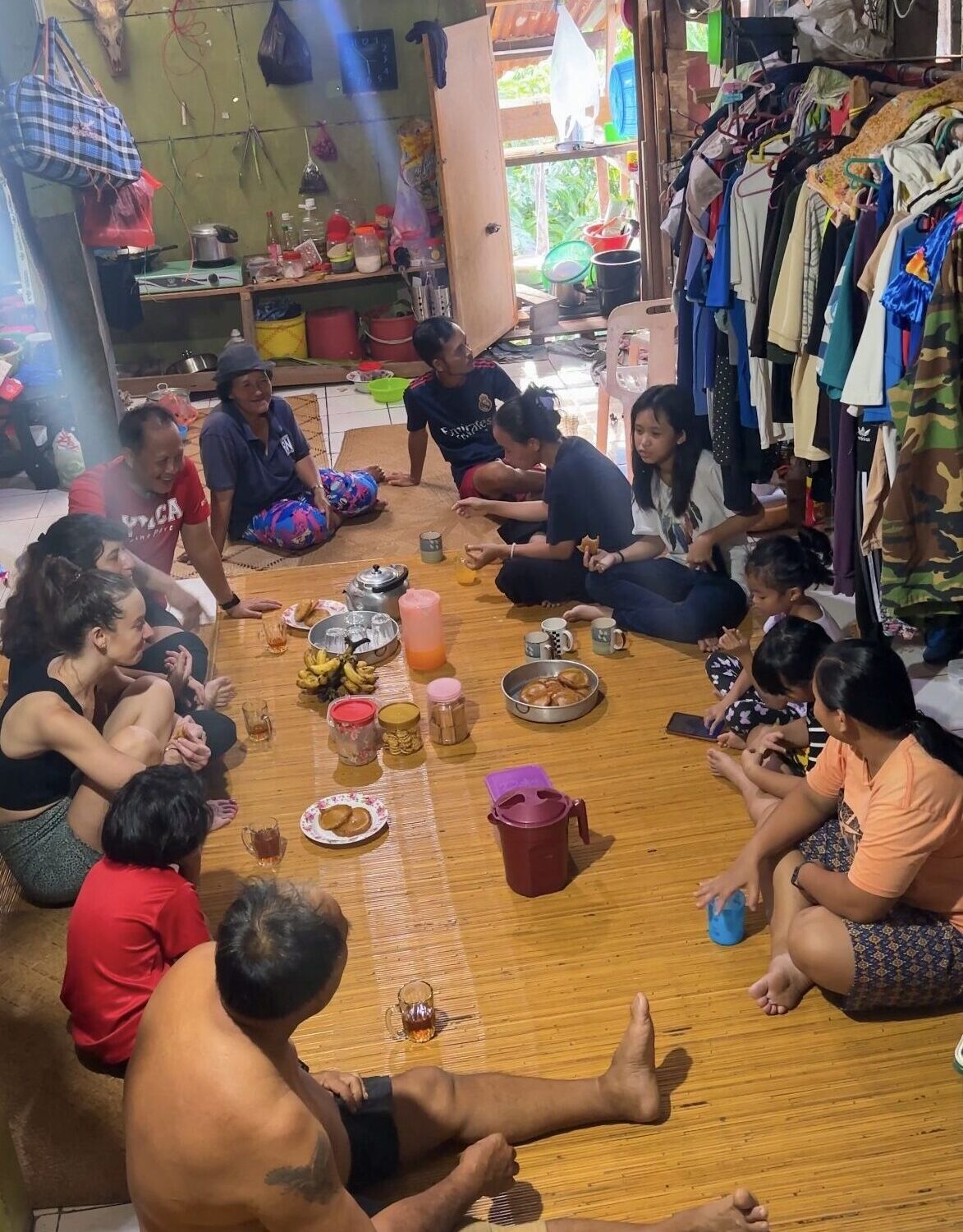
First meal in the Longhouse with our host family
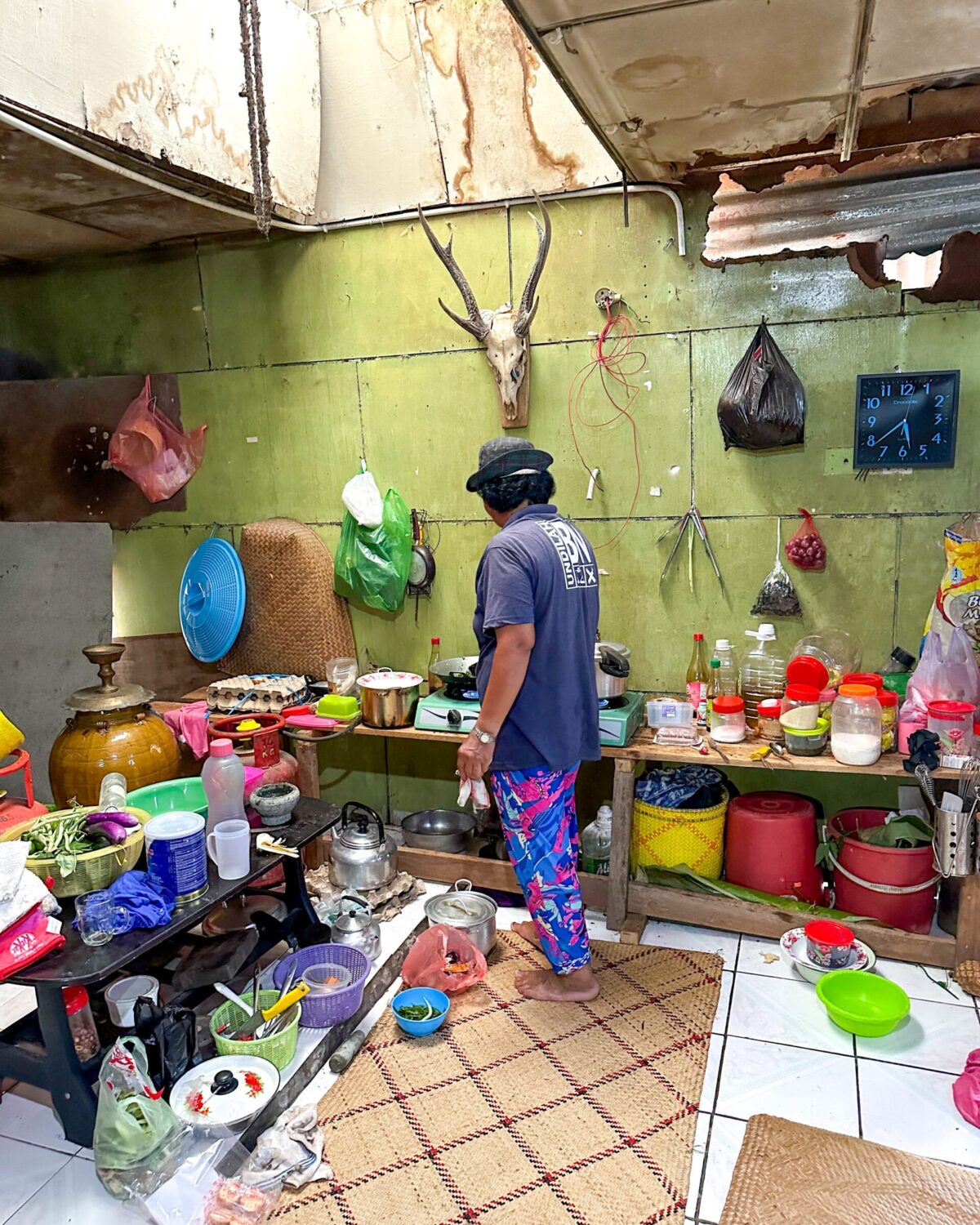
Our host cooking delicious Iban food for us
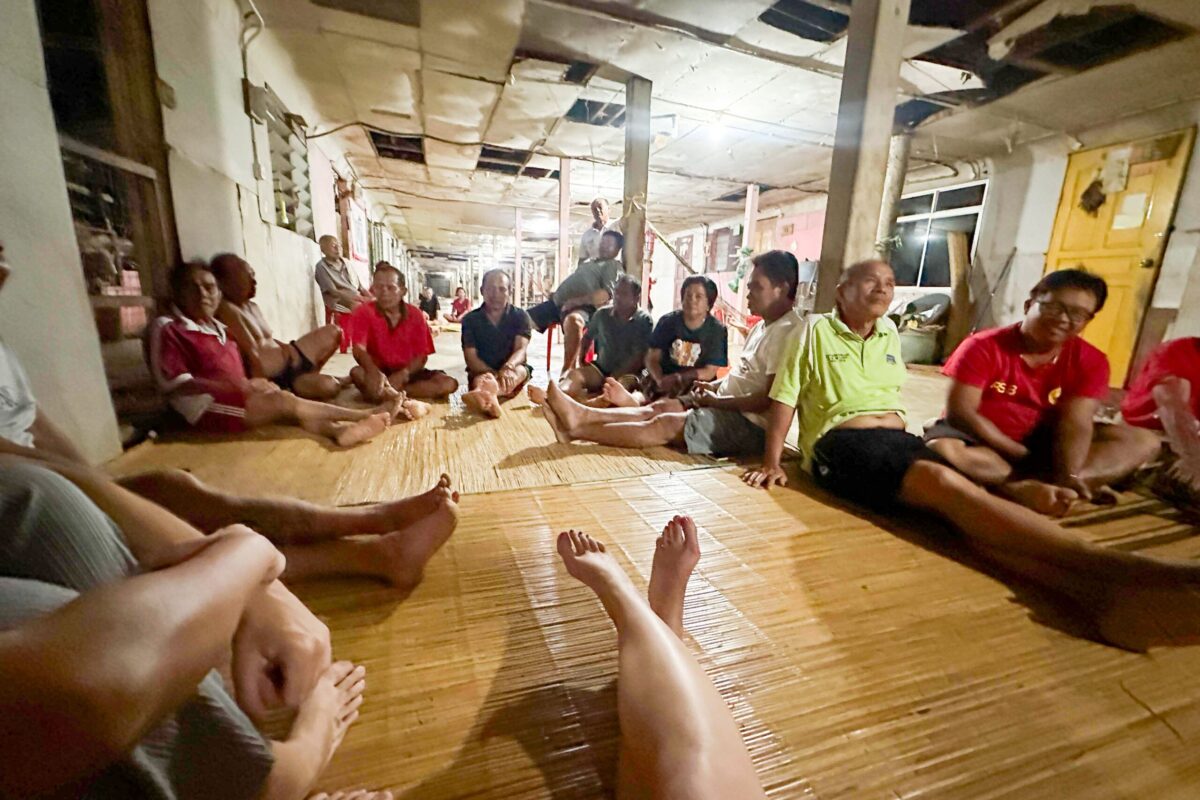
First night talking to the members of the Iban Tribe
A day in the life of the Iban People – Full Day hiking and fishing
The next day, we went fishing and hiking with the tribe for over 9 hours. The hike was challenging at times, but still doable even for people that aren’t expert hikers. During our hike, we stopped a couple times to snack on any natural goodies the Iban people would find on the way to the river.
We had the opportunity to learn how to fish with a rustic spear gun, swim in the river and enjoy nature while the Iban people cooked our lunch by the riverside. Lunch consisted of fish and other delicious food and fruits that the Iban had foraged that same morning.
Depending on the length of your stay, you can also go camping and hunting with the tribe’s hunter. Something I would have loved to do, I guess I am saving this one for my next visit, hopefully during their big harvest festival, the Gawai Dayak.
Once we arrived in the Longhouse, we had a little time to unwind, shower and get ready for yet another beautiful Iban meal.
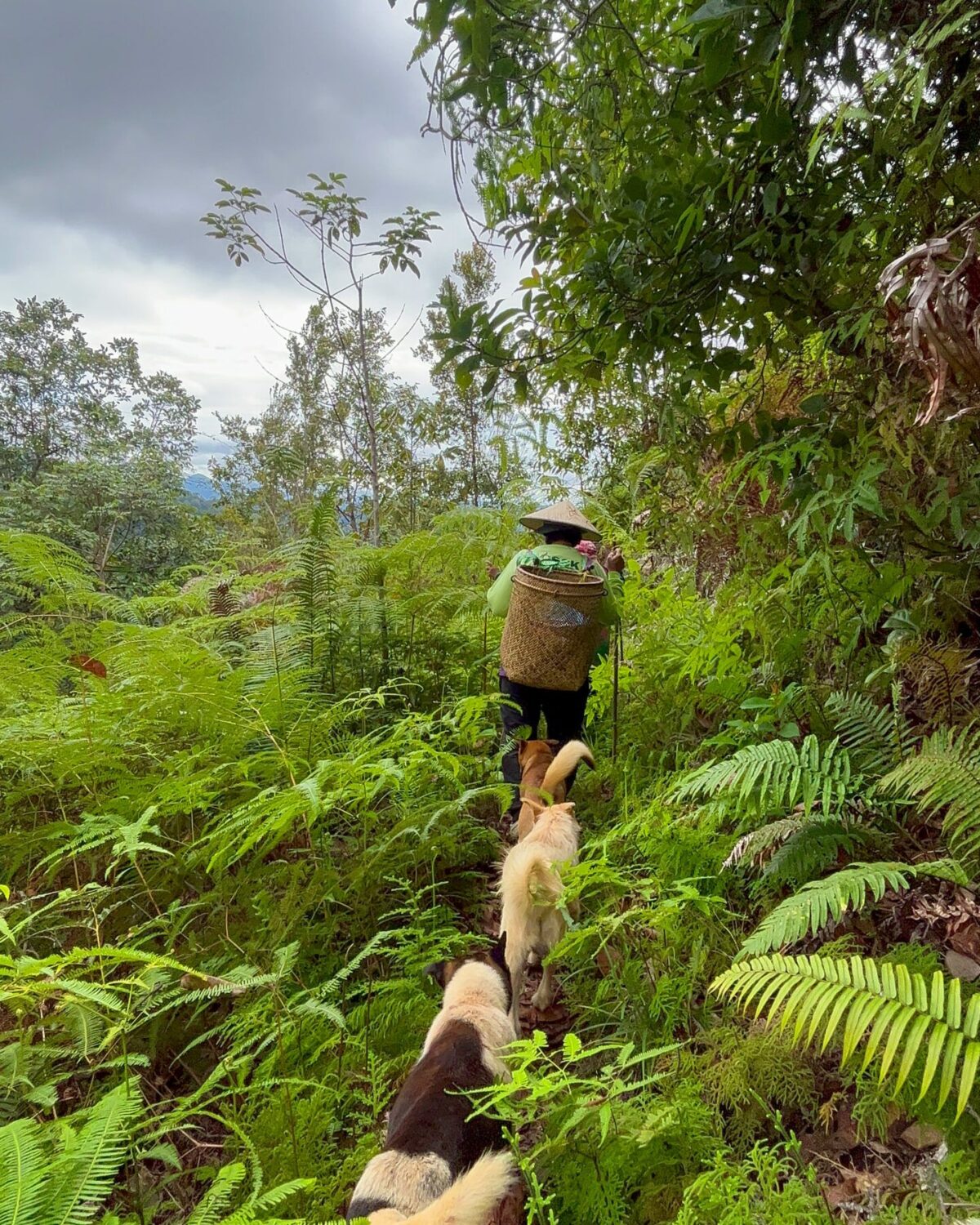
Making our way through the rainforest in Borneo
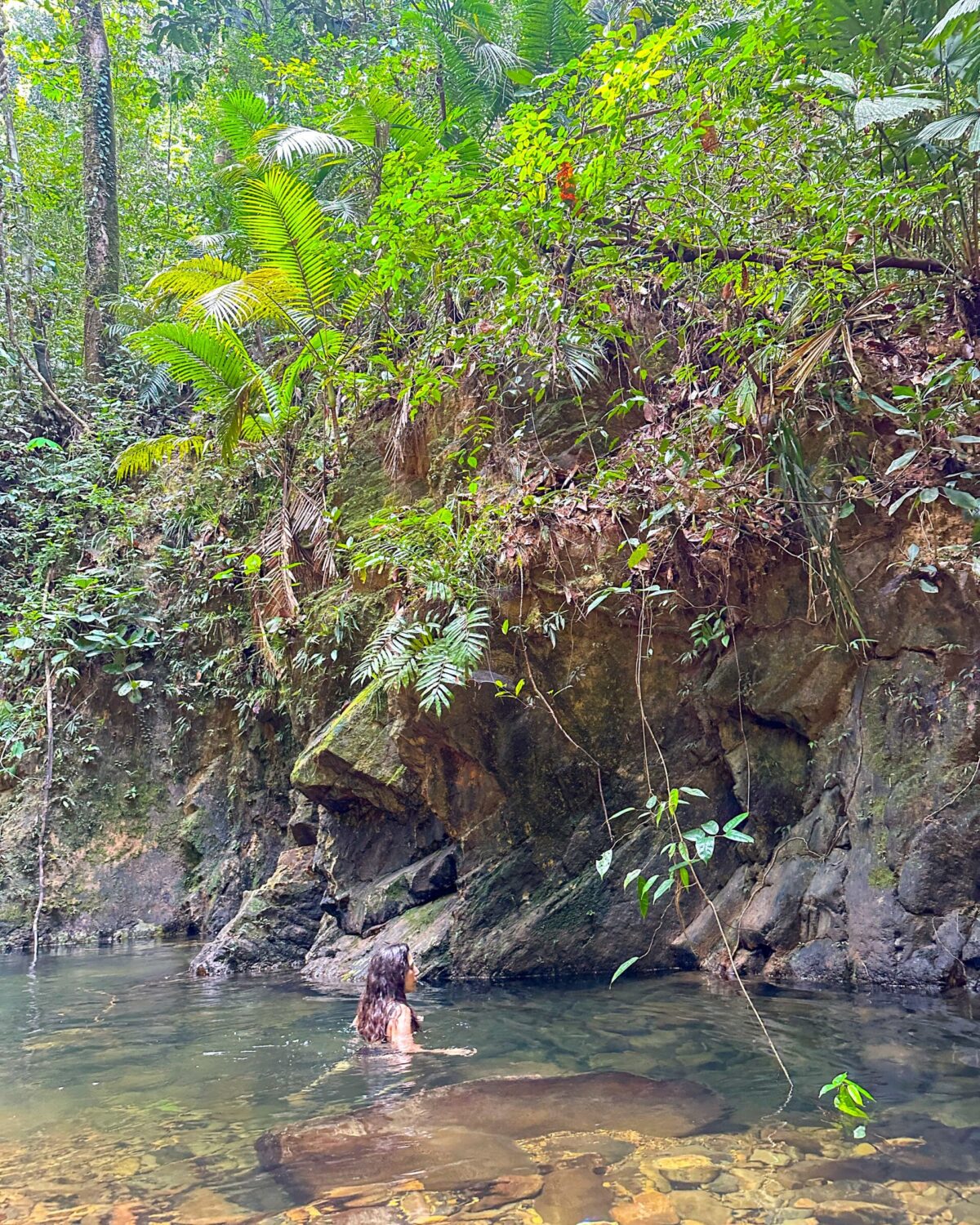
Swimming in the river before fishing with a spear gun
Meeting the Chief and The Tribe’s stand-up Comedian
After dinner, we sat down once more at the Longhouse corridor to chat and listen to stories about the Iban people. That night we were greeted by the new and also the former Chief of the Longhouse. We also had a good laugh after one of the Iban members made a few jokes. Even though we did not speak the same language, we needed no translation for his jokes. The man was hilarious. To me, he clearly has the comedian role in the community. Check the last video on this carousel I posted on my travel instagram account to see what I am talking about. Everyone in that corridor was engaging and laughing with their little shenanigans. Core memories.
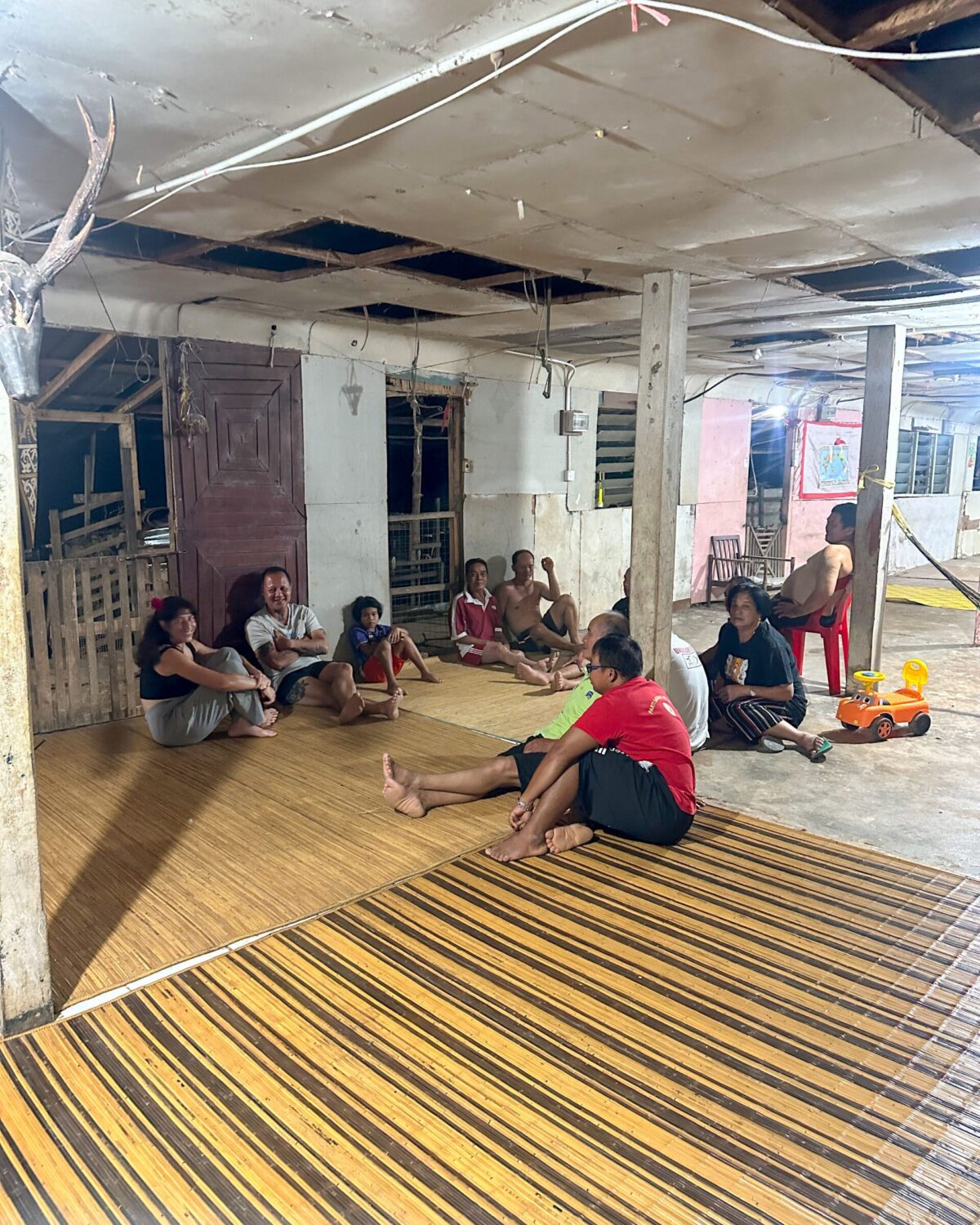
After dinner used to hang out with the Iban at the Longhouse corridor
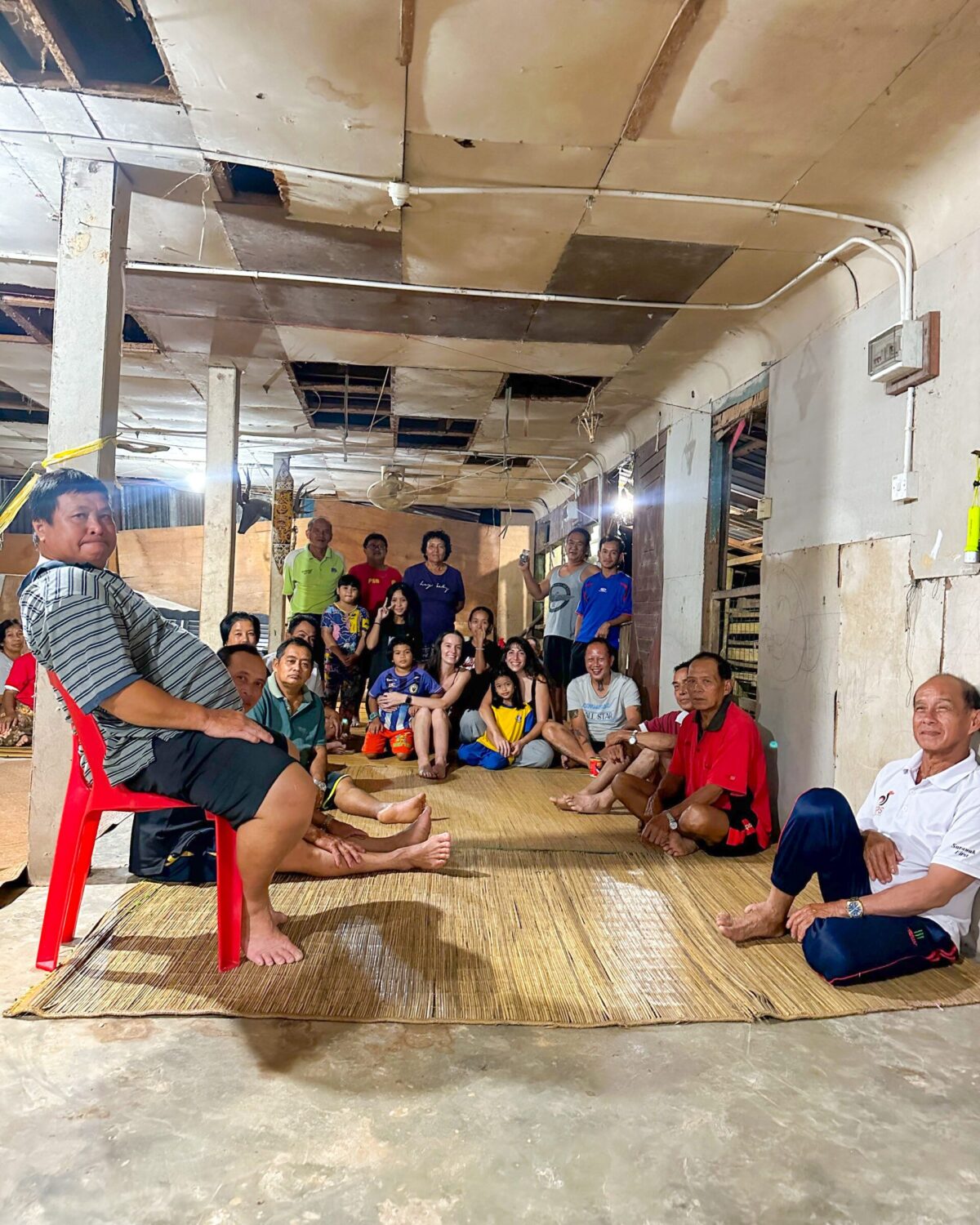
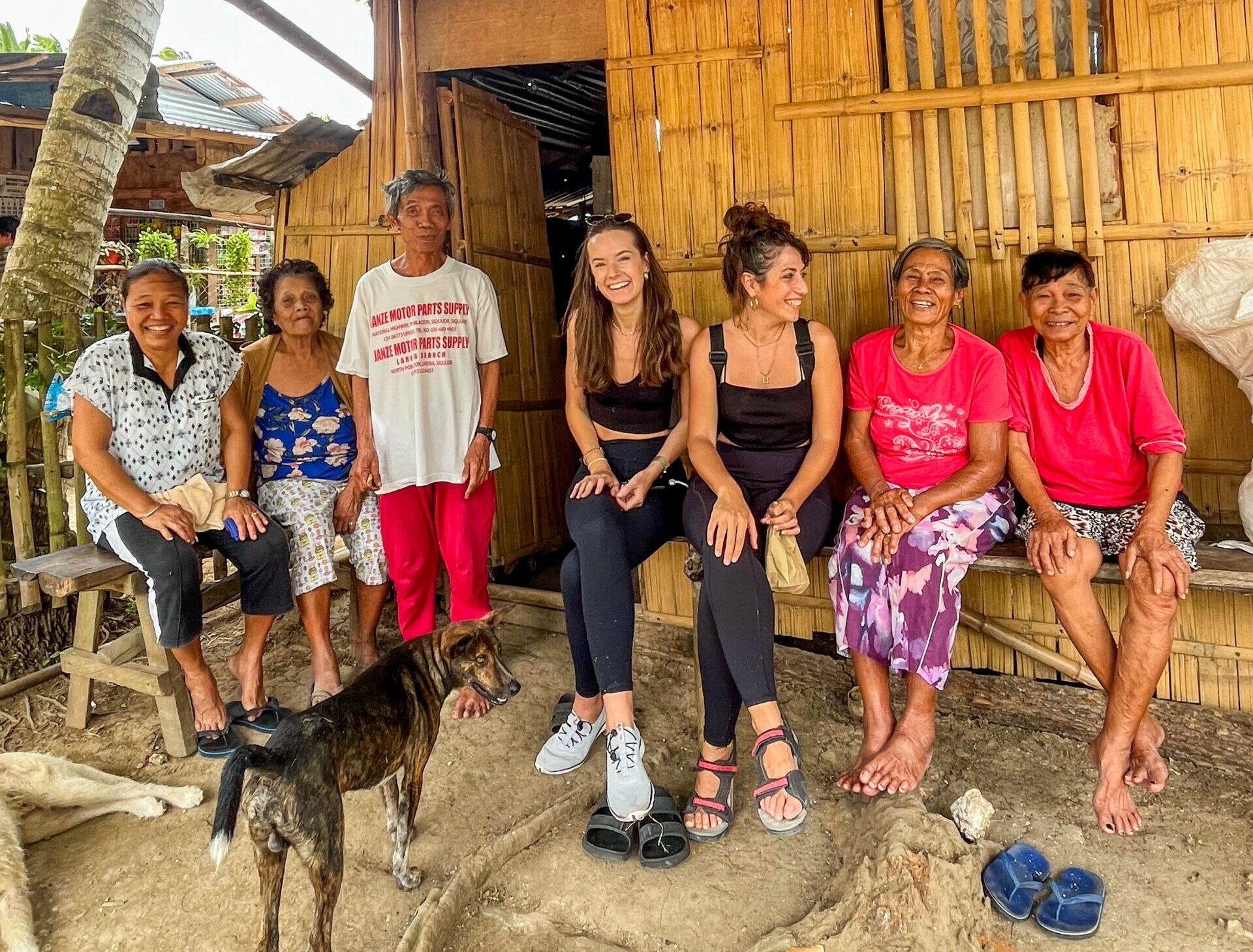
Group photo with some of the Iban people that came to chat with us
Breakfast and Making our way back to civilization
We had a slow morning, and after breakfast we still had some time to chill in the hammocks of the Longhouse corridor before saying goodbye to the beautiful Iban people and heading back to civilization. Our guide took us back to the hotel where we were staying in Kuching, putting an end to this unique experience in the Bornean rainforest.
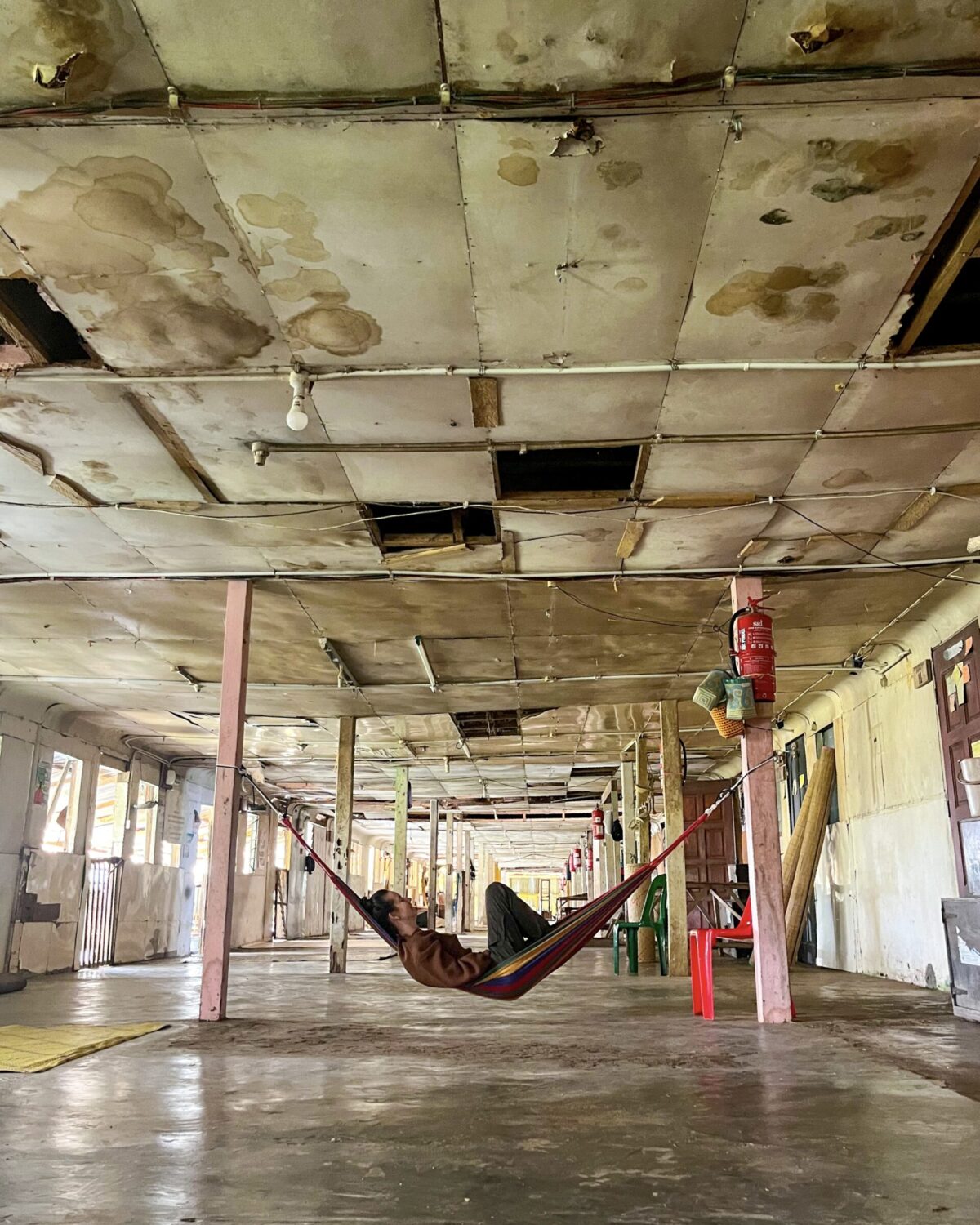
My friend Max chilling on the hammock
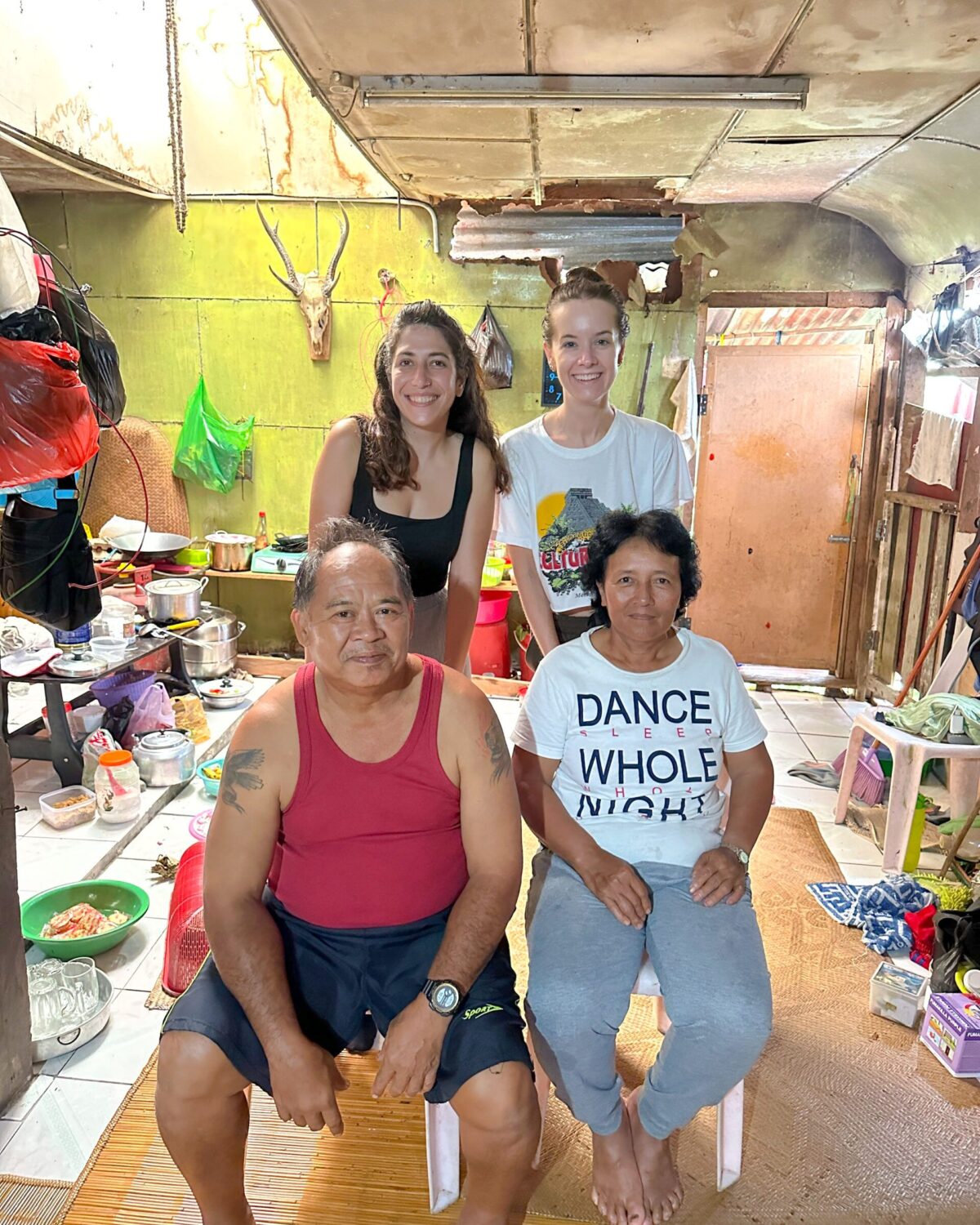
Last photo and goodbyes to our sweet Iban hosts
Reality Check – What to expect
Iban people are very warm and welcoming. They’re also fun and very curious (prepare for many questions coming your way!).
Food is very simple, but incredibly tasty. Everything you’ll eat is cultivated by the Iban or foraged in the rainforest.
To help you measure your expectations, you need to know that the facilities are basic, and somewhat rustic. You will be sharing your space and bedroom with the family hosting you, by choosing this experience, you will jump straight into living the Iban way! If you’re looking for a raw adventure – this is a good one. Can’t get more real than this!
During the time I visited, the Longhouse was going through a big renovation. They discovered they had a termites problem and they had to tear down part of the Longhouse to build new stronger foundations for the entire community to continue living under the same roof. For this reason, several members of the tribe are currently living outside the Longhouse, but the idea is for them to come back to the Longhouse the minute the renovations come to an end.
If you’re wondering how your visit will help the community, here is a real proof. Your visit and tourism money will in fact help the Iban people in this community to continue with their renovation. You will be actively helping the Iban tribe to rebuild their precious Longhouse and resuming life as usual.
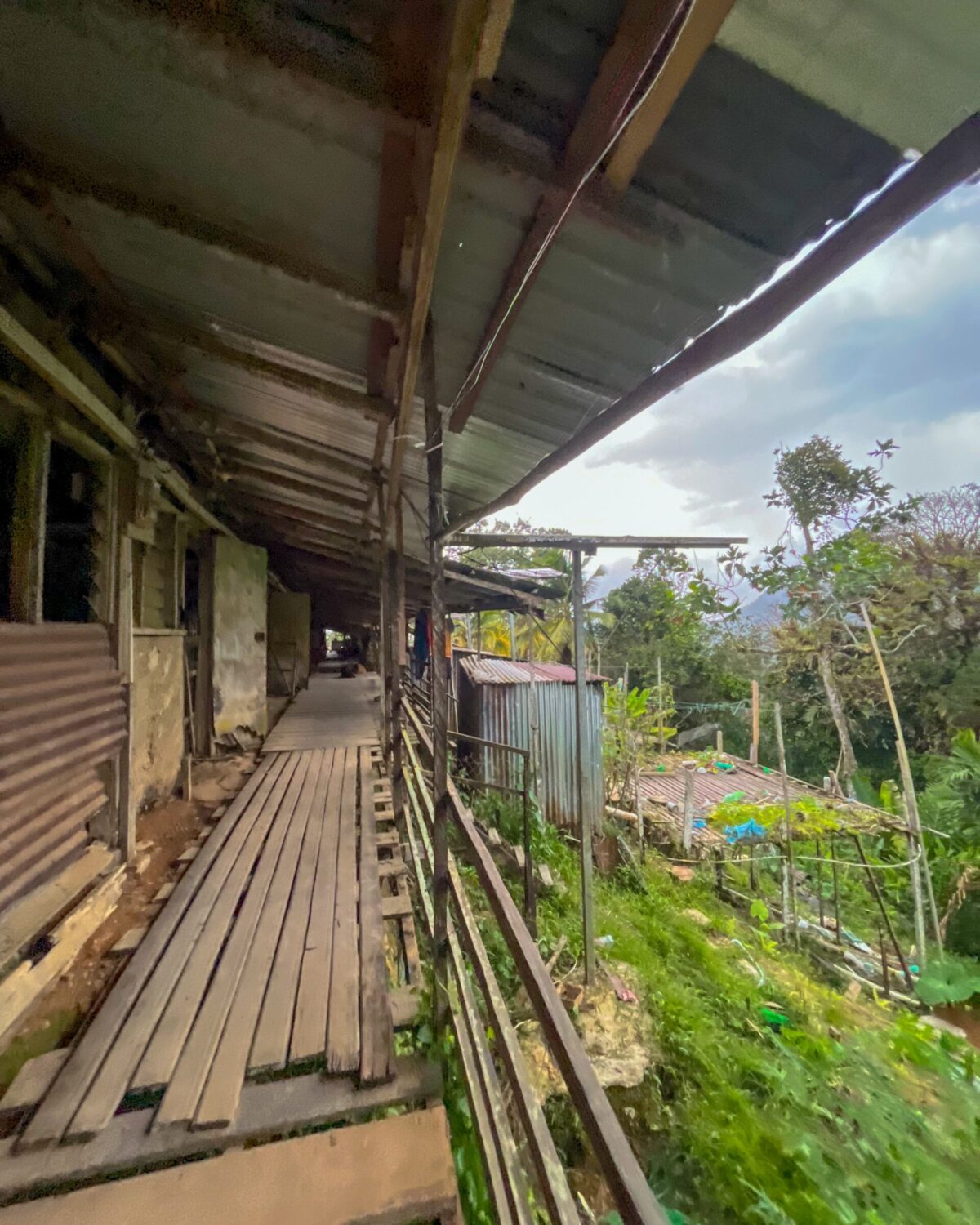
Image of the Longhouse that's in the process of renovation
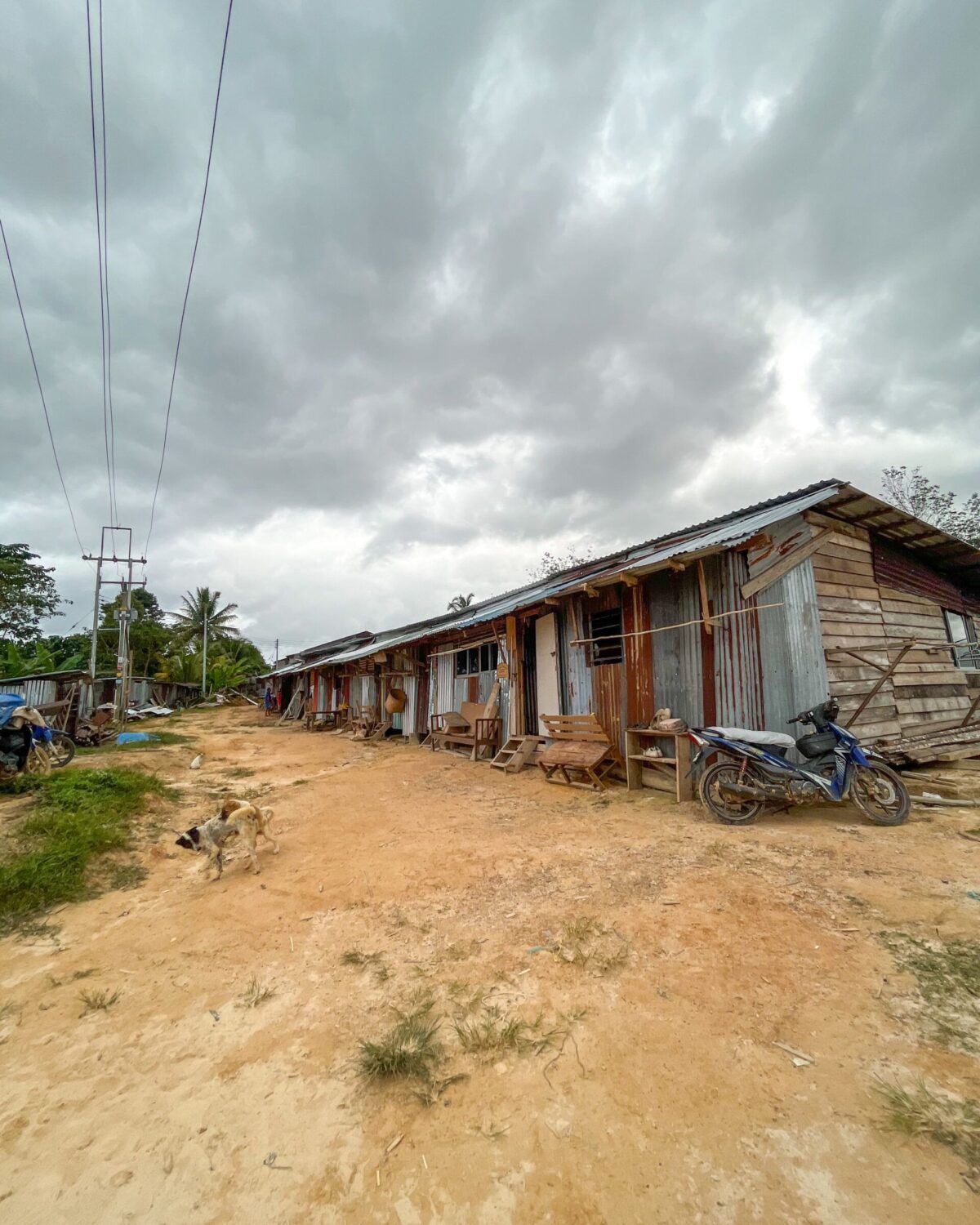
Temporary houses for some of the families located beside the Longhouse
How to prepare for the Iban Tribe Expedition – Tips for your stay
- Bring comfortable shoes, light long sleeves and pants, and hiking boots if possible.
- Even if it is not the rainy season, it is a good idea to bring a rain jacket.
- Use plenty of mosquito repellent to protect you from dengue fever.
- Avoid visiting if you’re unwell to reduce any risk for the tribe, immune systems take a little time to adapt and the Longhouse might not be anywhere close to medical attention.
- Before buying gifts for the tribe, check with your contact what is recommended to bring.
- Remove shoes before entering the longhouse common area.
- Accept food and drink offerings graciously.
- Men can remove their shirts inside the longhouse.
- Ask permission before taking photos.
Things to do in Borneo – Wildlife Tours
Borneo is home to an incredible array of wildlife, from orangutans and proboscis monkeys to pygmy elephants and clouded leopards. Various tours are available that offer the opportunity to see these amazing creatures in their natural habitats. These are some well rated tours by other travelers:
Where to stay in Kuching
Kuching, the capital of Sarawak, offers a range of accommodation options to suit all budgets. From luxurious riverside hotels to charming guesthouses, there is something for everyone. Some popular choices include the Hilton Kuching, The Ranee Boutique Suites, and the Kuching Waterfront Lodge.
Here are other options:
Best Time to Visit Borneo
The best time to visit Borneo is during the dry season, which runs from March to October. This period offers the most favorable weather for outdoor activities and wildlife tours. However, the region’s tropical climate means that rain can occur at any time of year, so it’s always wise to be prepared for varying conditions.
Plan your trip: A quick guide to book your next adventure nowThis is a detailed guide that will help you plan your trip from scratch and successfully prepare everything ahead of your departure. I follow these steps to book my trips and now you can do the exact same! Purchase your flightI use Skyscanner to book my flights since I can have oversight on the best deals. Alternatively, I use Kiwi.com Book your accommodationFor many years now I’ve used Booking.com to find the best hotel deals. Hostelworld is my go-to for hostels. Don’t forget your travel insuranceMy favorite companies are SafetyWing (best relation product/value), HeyMondo (another great affordable alternative), and IATI Seguros (for Spanish speakers). Choose your toursI love traveling on my own, but for those activities that I need to pre-book I use Get Your Guide, Viator, and Civitatis. Need Transportation?Discover Cars, is the company that works best to rent a car. For transportation in Central America, I use GuateGo. Packing GuideCheck out the list I’ve put together with my favorite travel gear and travel resources to help you pack for your trip.
|
LIKE THIS POST? PIN AND SAFE FOR LATER